Asia stocks drop as rate uncertainty, Iran tensions continue
February 20, 2026

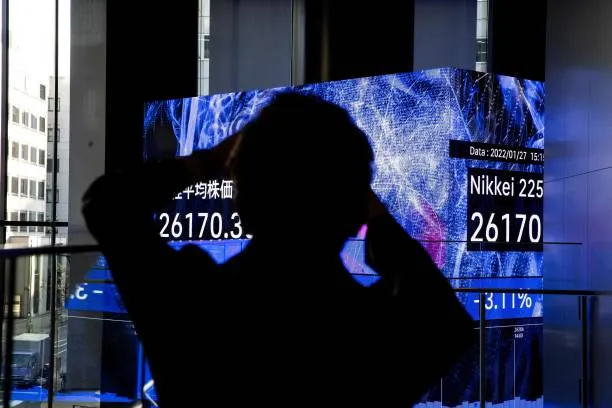
Asian equities ended the week on a cautious note, as investors pulled back from riskier assets amid renewed uncertainty surrounding U.S. monetary policy and escalating geopolitical tensions involving Iran.
Most regional benchmarks slipped, reflecting a defensive mood that followed a weak session on Wall Street. Traders remained focused on upcoming U.S. inflation and growth data, which could shape expectations for future interest rate decisions. Overnight, U.S. stock futures edged modestly higher, suggesting markets were largely in wait-and-see mode.
Mainland Chinese markets stayed closed for the Lunar New Year holiday, keeping regional trading volumes relatively subdued.
Japan and Hong Kong Lead Regional Declines
Japanese equities were among the biggest laggards of the day. The Nikkei 225 and TOPIX both retreated sharply after mixed economic signals raised questions about the strength of the country’s recovery.
Fresh data showed headline inflation cooling to its lowest level in nearly four years, while core inflation eased but remained above the Bank of Japan’s long-standing 2% target. At the same time, manufacturing activity surprised to the upside, with factory output reaching a four-year high thanks to strong overseas demand—highlighting the uneven nature of Japan’s current economic cycle.
Hong Kong stocks also moved lower as trading resumed following a three-day holiday pause. The Hang Seng Index fell as technology shares tracked losses seen among global peers.
Several major Chinese tech firms—including Alibaba and Baidu—came under pressure after being referenced in a U.S. government list alleging links to China’s military. Shares of electric-vehicle maker BYD also declined after appearing in the same report.
Elsewhere in the region, performance was muted. Australia’s benchmark index drifted slightly lower, while Singapore posted modest gains. Indian equities were largely unchanged, with technology stocks showing limited reaction despite ongoing investment announcements tied to artificial intelligence initiatives.
Geopolitics Weigh on Sentiment
Investor risk appetite remained fragile following heightened tensions between Washington and Tehran. Reports indicated the U.S. administration had issued a short deadline for Iran to negotiate on its nuclear program, raising concerns about potential military escalation.
Such developments reinforced a broader risk-off tone across global markets.
South Korea Stands Out
In contrast to the regional downturn, South Korea’s KOSPI index continued its strong rally, climbing to a fresh record high for the second straight session.
While earlier gains were fueled by technology stocks, the latest surge was driven by strong performance in brokerage, defense, and insurance companies. Local retail investors were a key source of buying momentum, even as foreign investors remained net sellers.
Separately, political developments in Seoul also drew attention. The country’s top court handed former President Yoon Suk-Yeol a life sentence following his conviction related to an attempted insurrection in late 2024.